

Artificial intelligence stuff is right everywhere now. But if you’ve actually tried to use some of them, you’ve probably quickly learned something: they’re not all as useful as they sound. Some feel clunky, a few overpromise, and others are undoubtedly beneficial—anything is best done by parenting out ways to use them to suit your workflow.
People don’t talk about that fact enough. I’ve spent time experimenting with different AI tools—sometimes out of curiosity, occasionally out of necessity—and what happens next isn’t just a list. It’s a sensible, human tackle of seven AI gears that’s definitely worth some time, especially if you’re starting out and don’t want to spend the cash.
1. ChatGPT
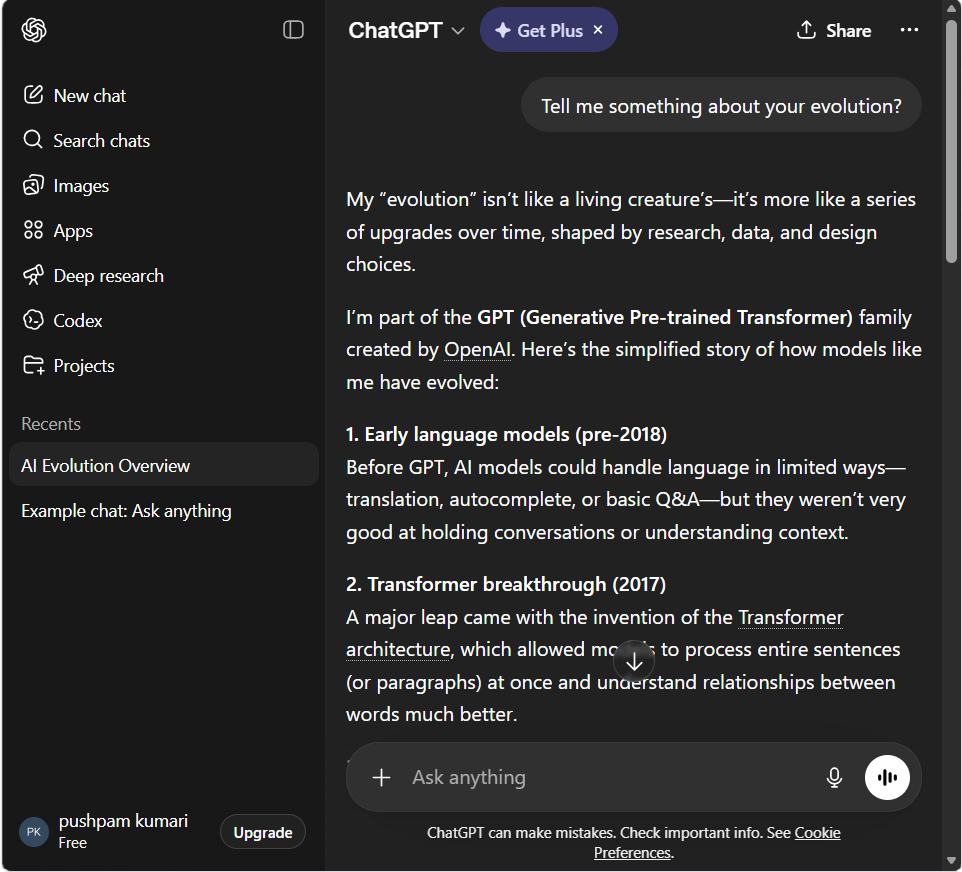
ChatGPT is the tool that I keep coming back to the most—not anymore because it’s the best, yet because it’s curvy. It’s less like a machine and more like a thinking partner. When I’m caught on the road to starting something, I’ll just type out a messy thought and note what’s returned. The first reaction at halftime isn’t terrible—but it gives me parenthood that I definitely want to talk about.
Best for: Thinking thru, writing, and getting unstuck is important
How to use it for free:
Use the unbound version and treat it like a draft partner, not a final solution tool anymore. Ask to rewrite, initiate your ideas, or simplify something confusing. The trick is to refine your motives as you go—your 2d or 1/3 attempt is usually what the magic is in.
2. Canva AI
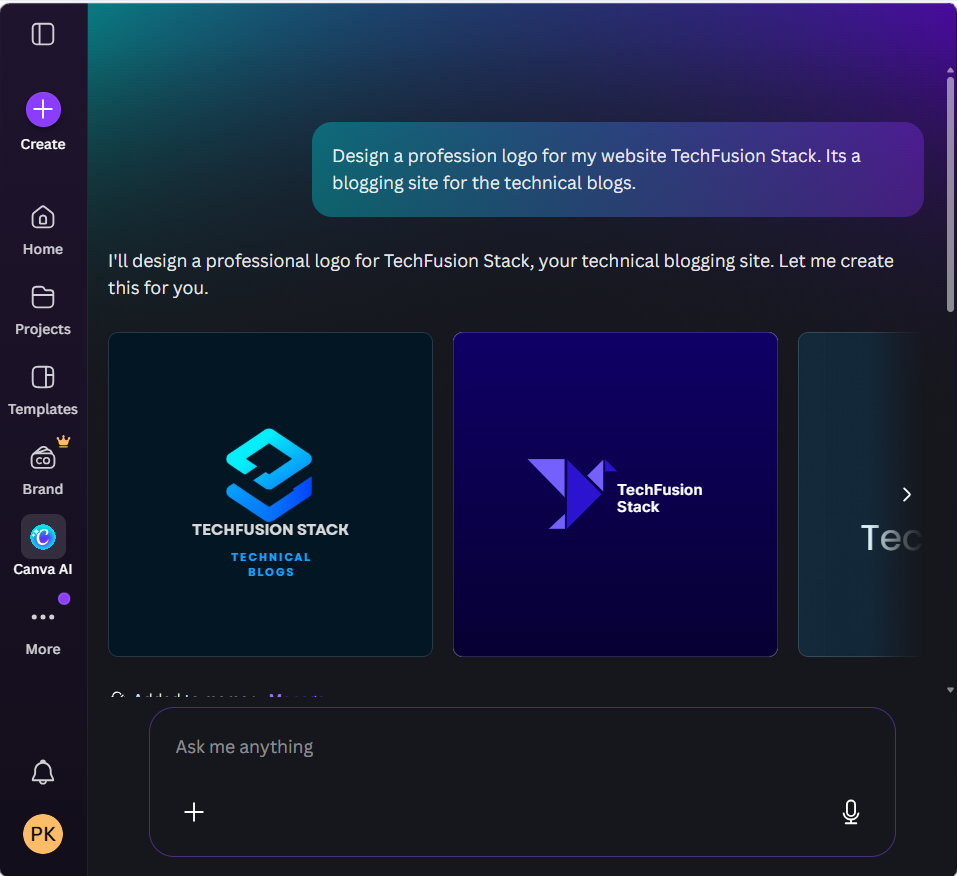
I’ll be honest—the layout was slowing me down a lot. I spent a lot of time trying to “look right” at something. Canva has changed that, and AI functions make it more or less difficult. No longer whenever it designs perfectly, yet provides you with a stable starting point, is often the most difficult element.
Best for: Making things look right when you’re not a fashion designer
How to use it for free:
For most humans, an untied plan is enough. Use Magic Design or templates, then tweak things manually. AI gets you 70% there—you deliver it the rest of the way by adjusting fonts, spacing, and images.
3. Grammarly
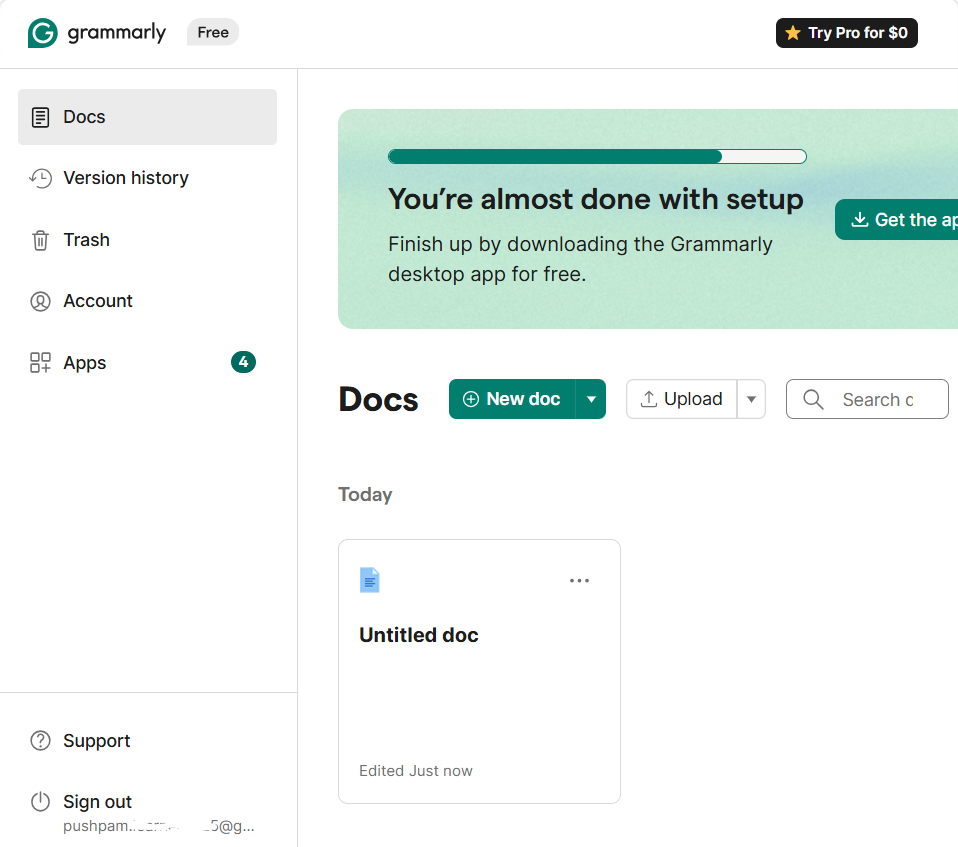
There’s a point when you’ve checked your writing too many times and everything starts to look “quality”—even if it isn’t anymore. That’s where grammar makes it easier. It’s like a 2d set of eyes that doesn’t get tired.
Best for: Catching the little flaws that prevent you from seeing
How to use it for free:
Install a loose browser extension and ignore it. It works quietly within history. What I like most is not always the grammar fixes, though, the tone guidelines—they catch when something sounds harsher or more awkward than you intended.
4. Notion AI
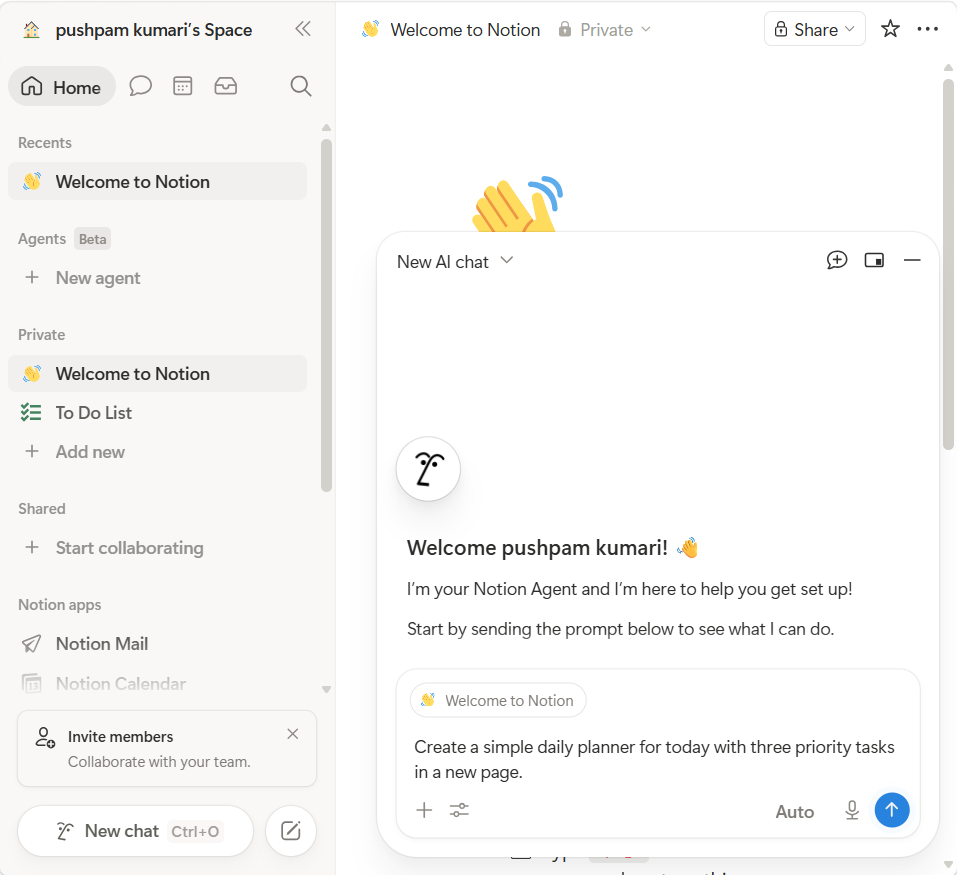
Notion AI is one of those tools that feels unnecessary—until you start using it often. I’ve used it to show scattered notes in based outlines, summarize long pages, and even plan tasks.
Best for: Organizing messy thoughts is something useful
How to use it absolutely free:
A loose model provides you with limited AI feedback, so use them intentionally. Don’t waste on easy tasks—shop for it when you have a long network of notes and don’t know which one to start with.
5. Google Whisk
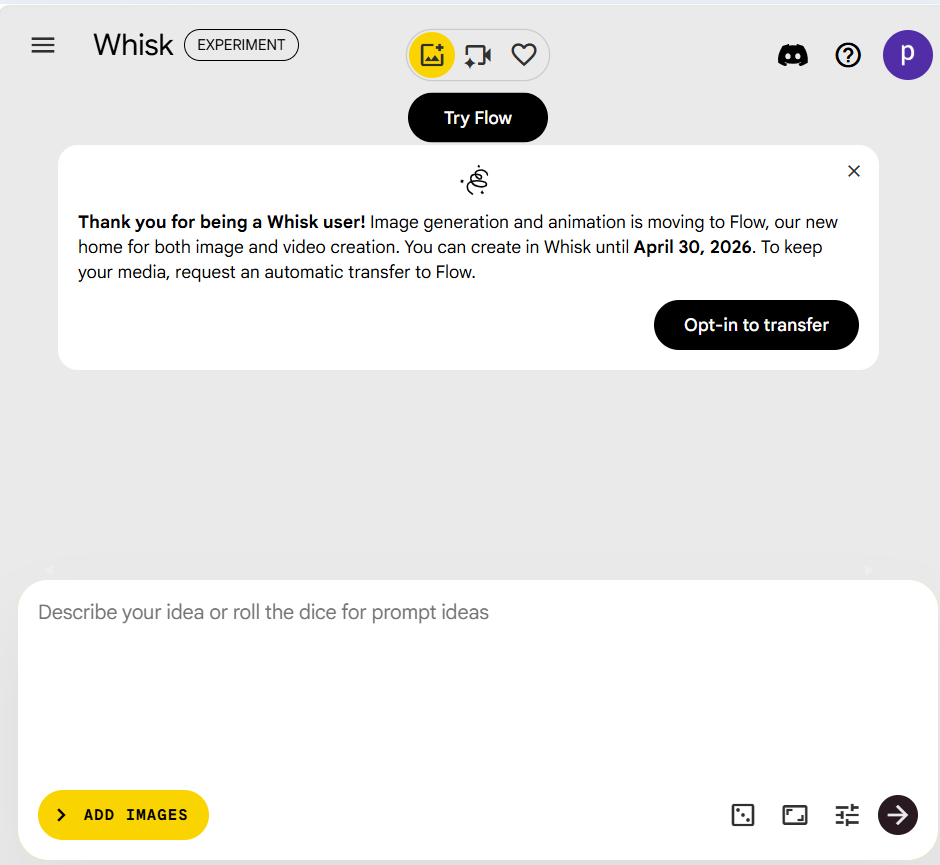
There’s something truly fun about throwing a random concept right into the tool and seeing what comes back—and that’s exactly what Google Whisk AI is leaning towards for the experience. Because it’s a Google tool, you kind of count on polishing it, however what makes it exciting is that it’s almost not trying to be perfect.
Sometimes the effects last a block. Sometimes they’re remarkably accurate. But most of the time, they land somewhere in the middle—that’s where things get interesting. Rather than just supplying what you ask for, it provides something for you to react to, tweak, or build on.
Best for: Looking for ideas when you’re not quite sure what you’re looking for
How to use it absolutely free:
If you can access it through early releases or platforms that offer free credits, take advantage of that. Don’t stress about writing the “perfect” prompt—just describe what’s in your head and see where it goes. The real value comes from experimenting and letting the unexpected results push your thinking in new directions.
6. Copy.ai
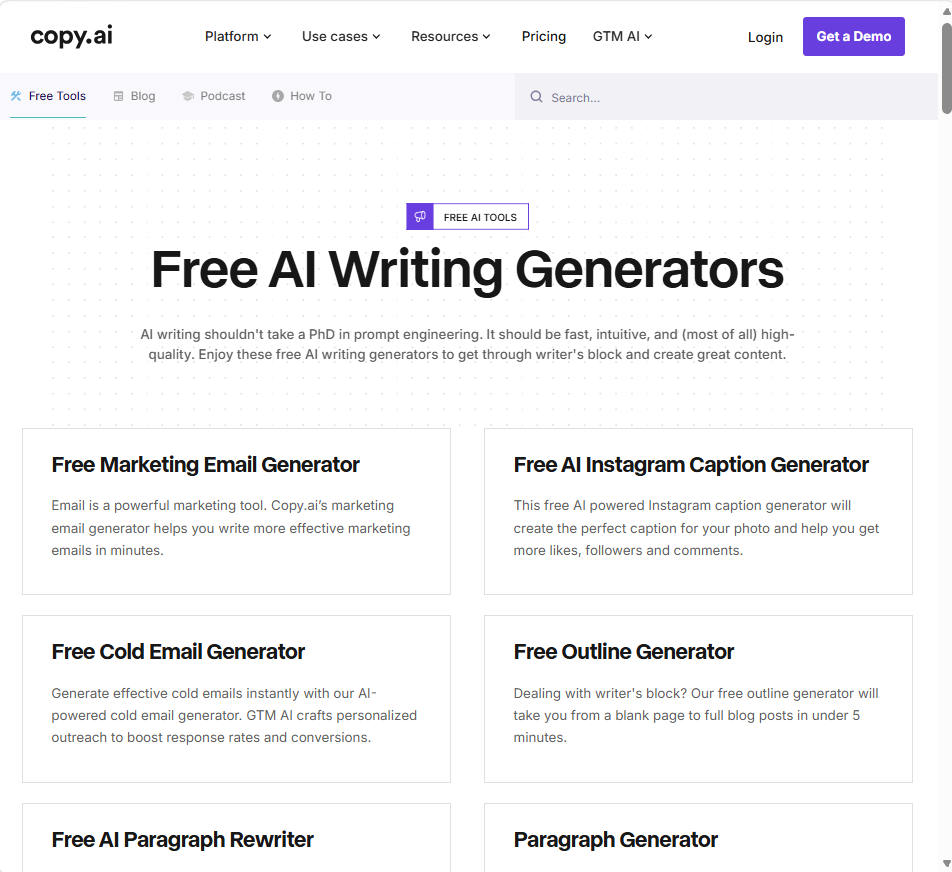
If you’ve ever tried to write a product description or headline from scratch, you understand how repetitive it can feel. Copy.Ai accelerates that. Now it’s not something I’d rely on for a very final copy, but it’s brilliant for breaking up the hassle of a blank webpage.
Best for: Getting the fastest deal for advertising materials and supplies
How to use it for free:
Use loose planning and focus to generate ideas, not packed content material. Take what it offers you and rewrite it in your own voice—that’s when it’s useful.
7. Pictory

Video feels like a whole extraordinary skill set, which is why tools like Pictory are beneficial. I tried to turn the webpage text into short films, and at the same time the results are not cinematic, they are quite decent for minimal effort.
Best for: Turning written content material into simple movies
How to use it without spending a dime:
Try unbound testing and use acronyms first. You’ll still want to change scenes and time manually—AI allows, but doesn’t fully capture movement the way a human does.
Final Thoughts
Here’s the honest truth: AI tools don’t magically make your work higher. They’re quick to get something decent—but the last 20–30% still depends on you.
That’s the component that no tool can update—your taste, your judgment, your experience of what feels right.
If you’re swimming in AI waiting for perfection, you’re going to be dissatisfied. But if you treat it as a tight drafting device, brainstorming companion, or even just as a way to shop for time on repetitive tasks, it becomes tremendously beneficial
Start short. Pick one or two pieces of equipment and actually use them in your daily routine. You’ll naturally wonder where they help—and in which they don’t.
And that’s totally the difference between the people “trying AI” and the people who must benefit from it.
Helpful content!!